The best tiny homes in Quebec

·

Quebec is a kind of promised land for campers, with vast swathes of parkland and sparsely inhabited wilderness—you won’t have trouble getting outside. North of Montreal and Quebec City, forested mountains and lake-dotted valleys dominate the landscape with endless hiking, fishing, and canoeing opportunities during reliably warm summers. To the east, the St. Lawrence River is one of Canada’s best whale-watching destinations.

Winter, though cold, proves no obstacle to the adventure-hungry. Our advice? Pack your thermals. That way, you can spend days ice climbing, snowshoeing, and skiing, and nights cozied up in a cabin, an insulated tent, a yurt, or even an igloo. As a general rule, the further north you go, the wilder the landscapes and fewer the facilities.

The rounded peaks of the Laurentians are the destination of choice from Montreal and Quebec City. Jacques-Cartier, Mont-Tremblant (both part of the provincial park system), and La Mauricie (part of the national park network) have four-season appeal. You can get in some rafting, kayaking, and hiking in summer, while in winter, heated cabins, huts, and yurts mean you can wake up, strap on your skis or snowshoes, and hit the trails with minimal fuss.

The St. Lawrence River meets the Atlantic at this cliff-edged peninsula—also known as Gaspésie—on Quebec’s east coast. Scan the shoreline for whales in Forillon National Park between May and October, or cat ski on virgin powder in the Chic-Choc Mountains in the icier months.

French for ‘North Shore,’ this section of the Gulf of Saint Lawrence is ripe for road-tripping. Coastal campsites at Tadoussac overlook Saguenay Fjord, a hangout for belugas, and further east, at Mingan Archipelago National Park Reserve, you can set eyes on strange sea-carved rock formations and hide out on secluded offshore islands.

This farming region near the U.S. border gives off New England vibes—think covered bridges, clapboard towns, and flaming fall foliage. It’s also Quebec’s premier wine-growing region. Mont-Orford is popular for skiing or hiking, and the stargazing at Mont-Mégantic National Park is—excuse the pun—stellar.

Visitor footfall is low in Nunavik, home to the Inuit in the Arctic north. Little surprise why: There’s no road access. Nunavik Parks offers packages to the area’s four parks (Pingualuit, Kuururjuaq, Tursujuq, and Ulittaniujalik) including flights from Montreal, Inuit cultural experiences, and the chance to see the northern lights.

100% (9) 6 campsites

Top-rated campgrounds near Quebec
3. Exode en Nature

8 sites · Lodging · Chicoutimi, QC
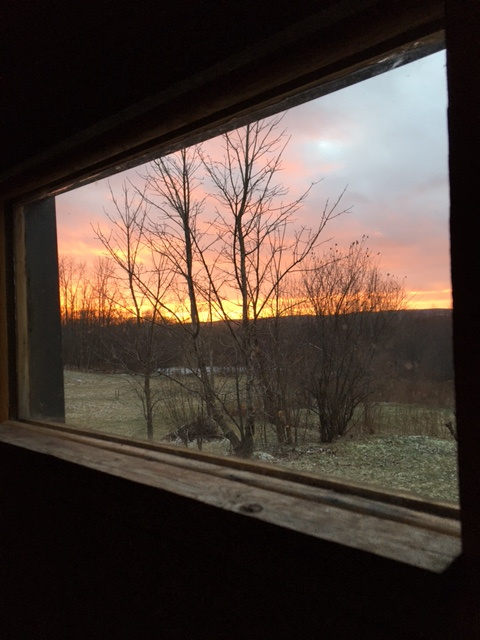
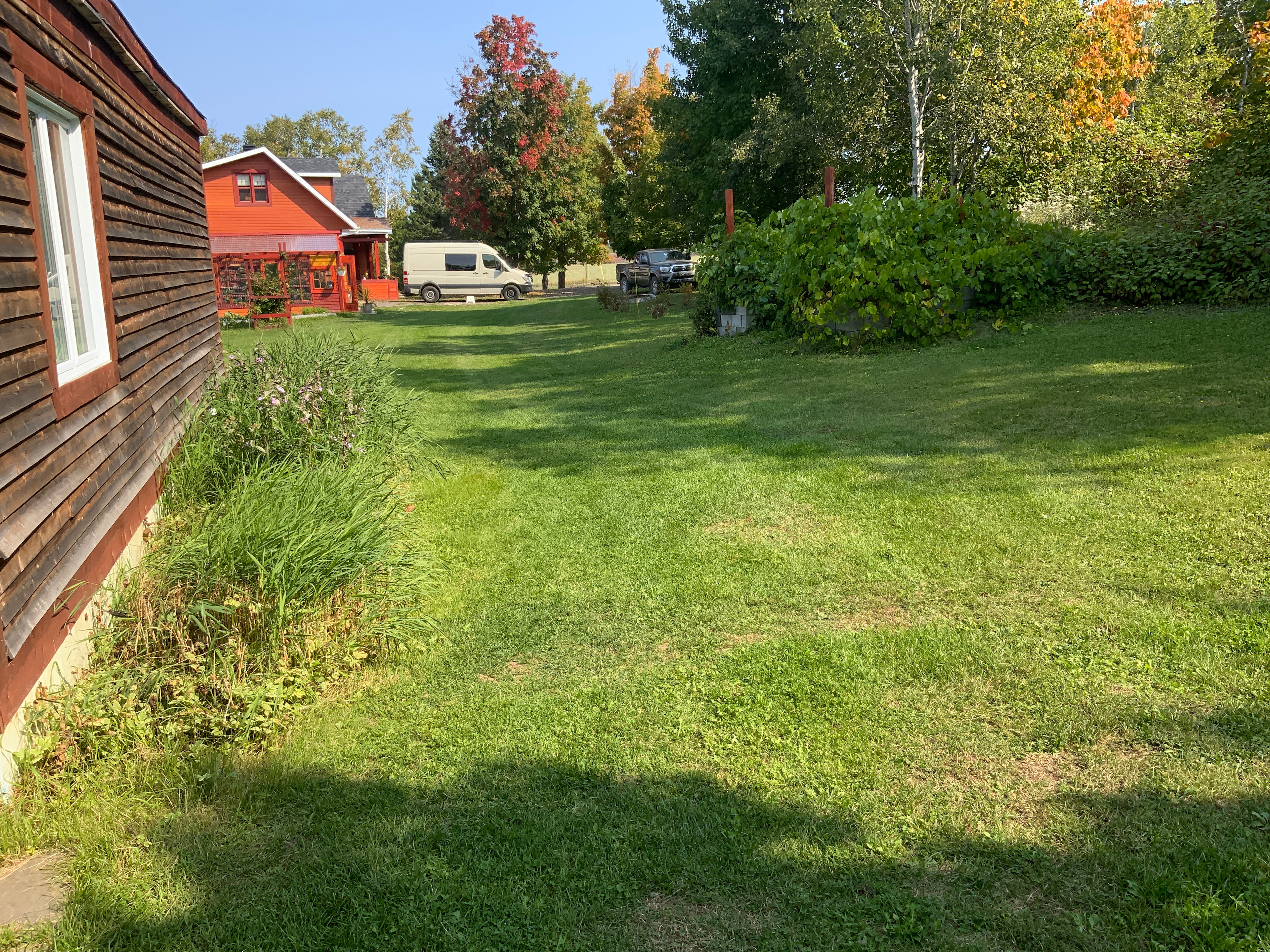
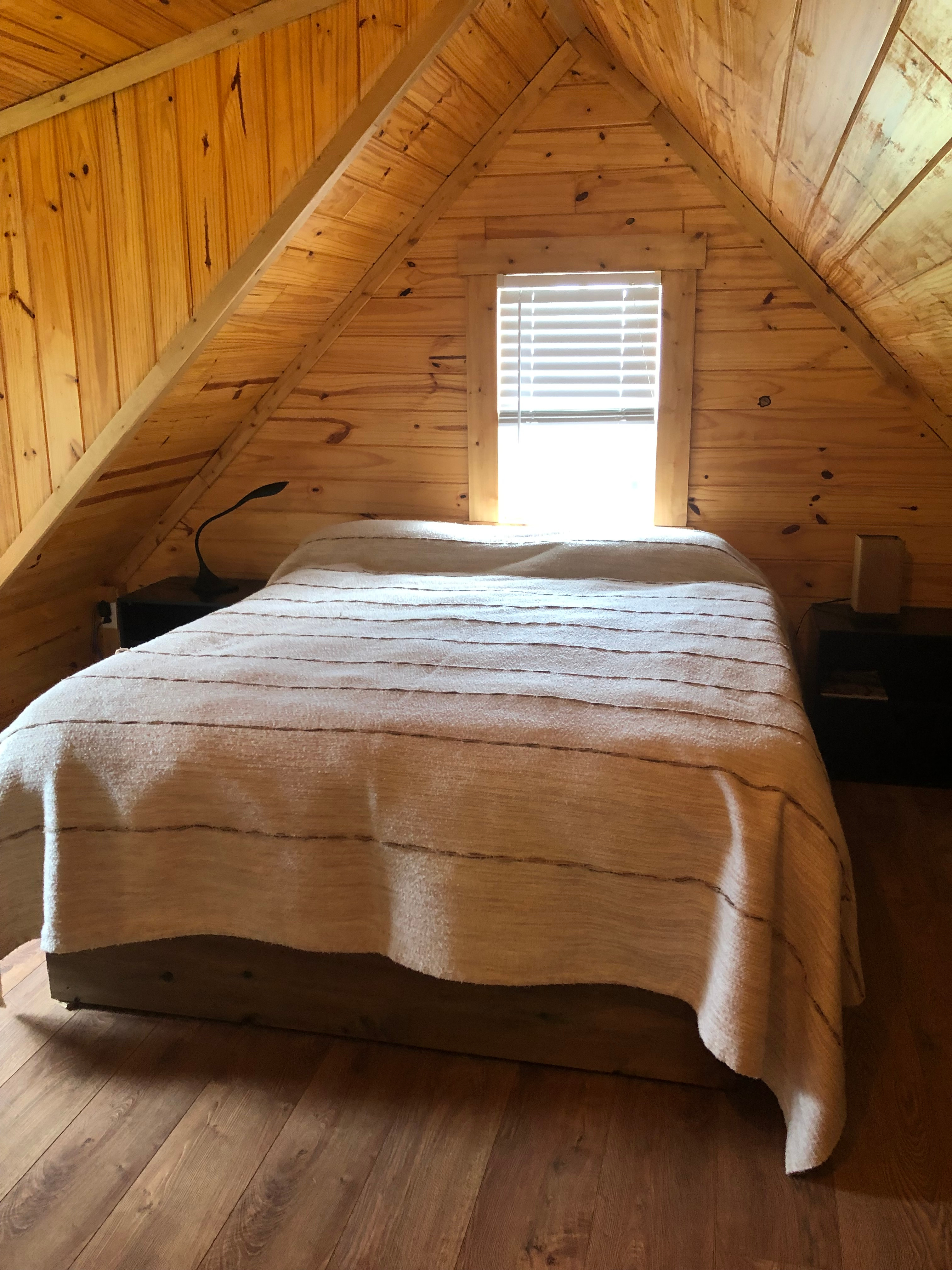
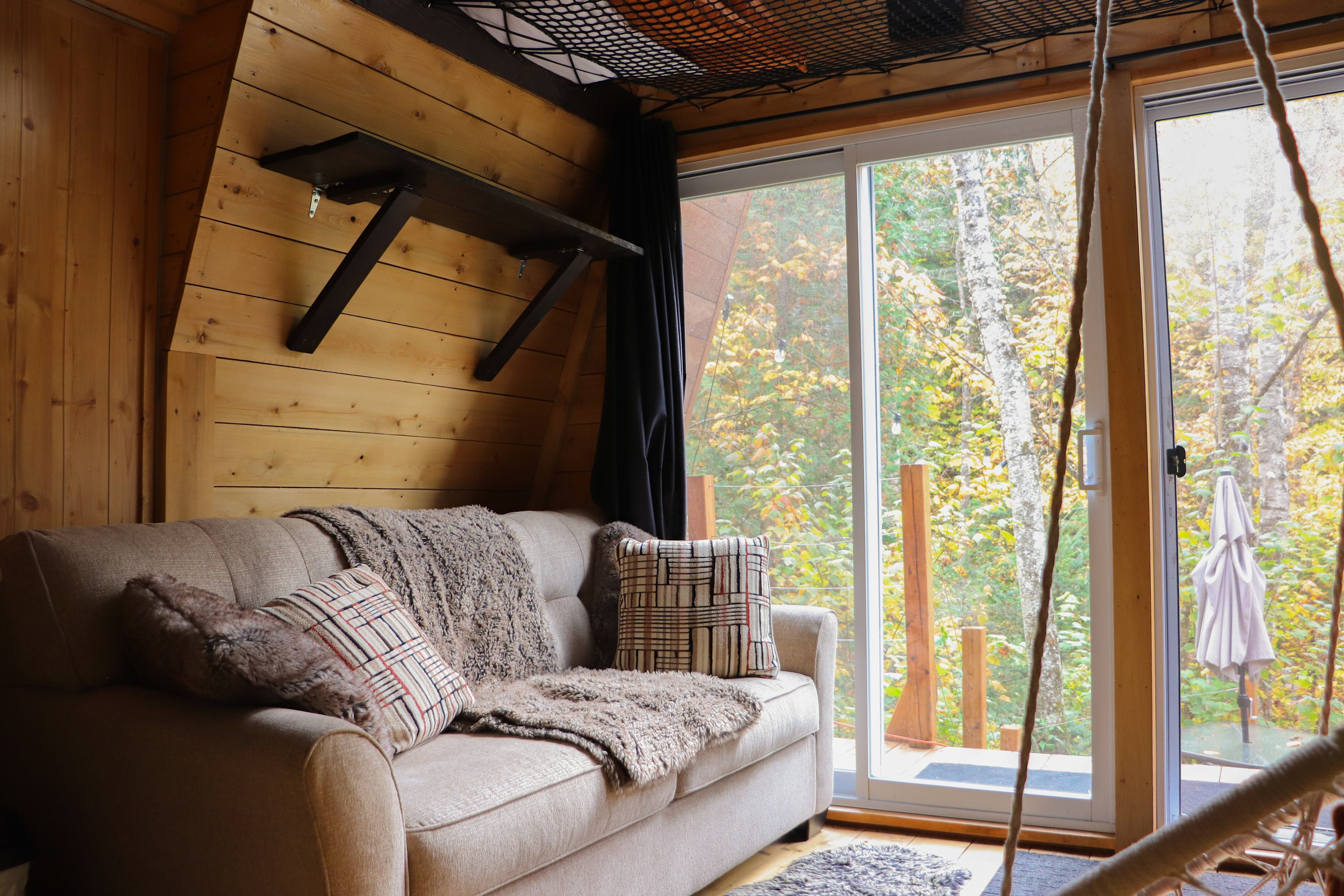
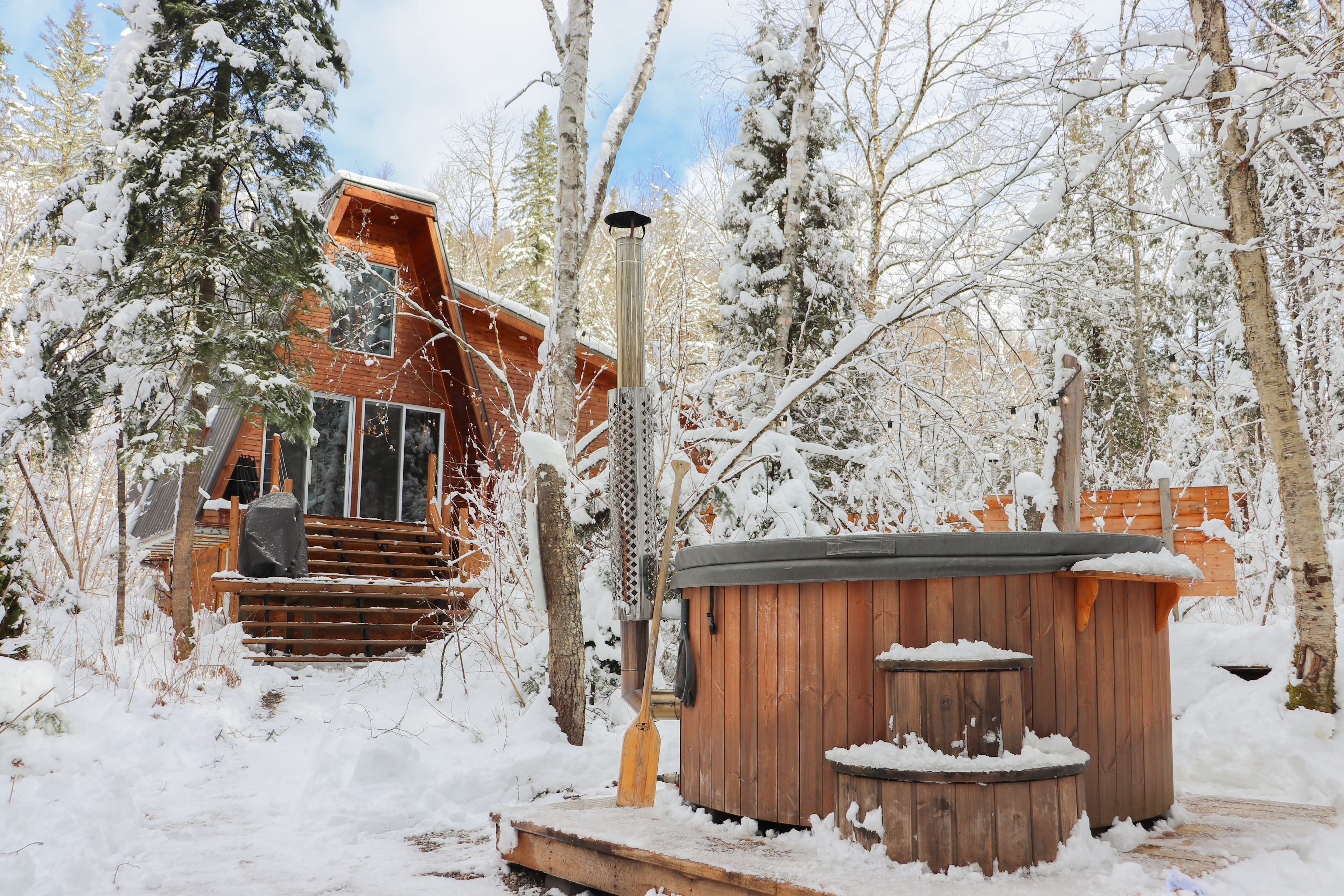
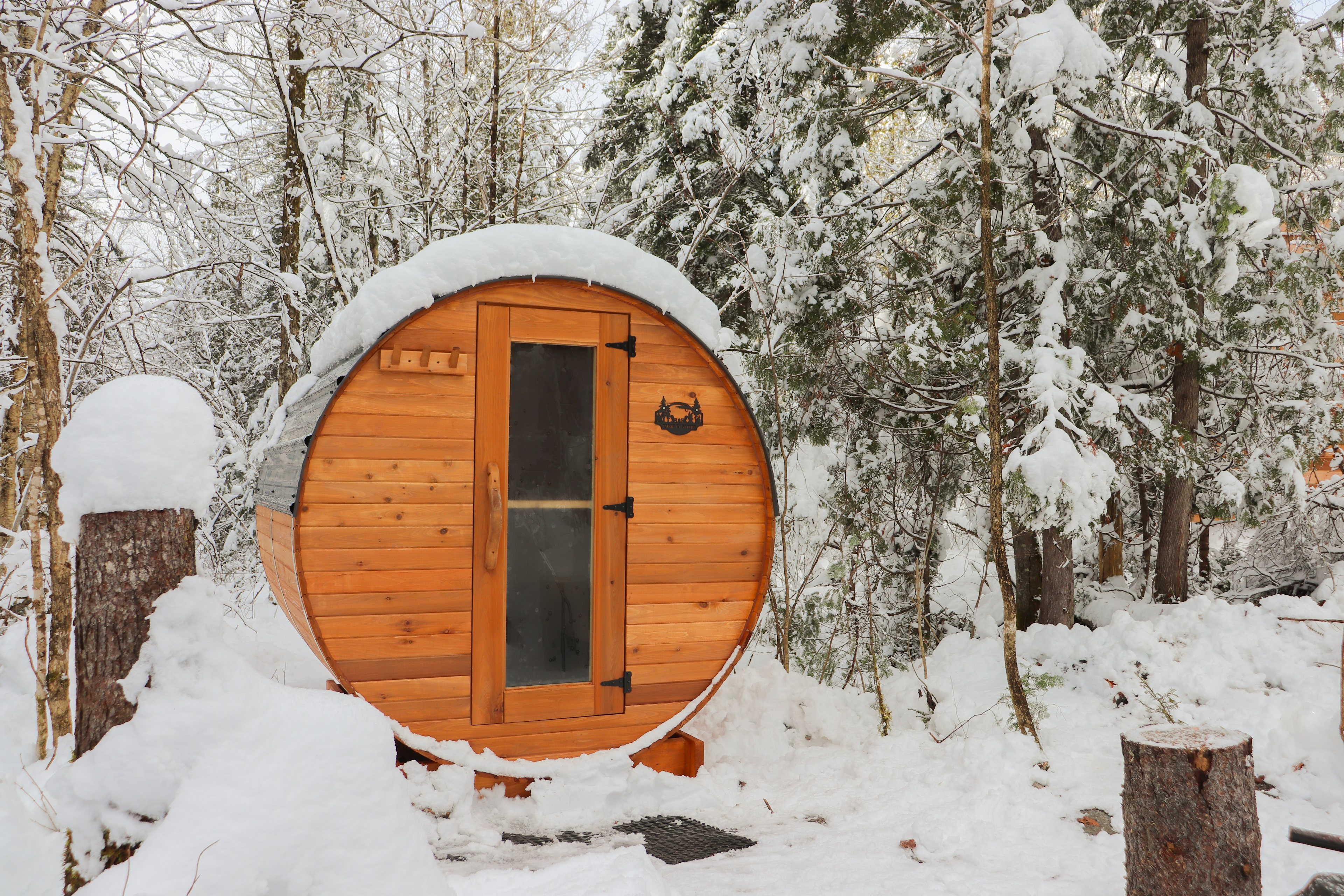
Exode en Nature is a four-season eco-friendly lodging destination nestled in the heart of Sainte-Rose-du-Nord, one of Québec’s most scenic regions at the edge of the Saguenay Fjord. Our site features six unique micro-accommodations — including a dome, a Hobbit-style pod, an A-frame cabin, a farmhouse-style unit, a contemporary mini-chalet, and a yurt — each thoughtfully designed to offer comfort, intimacy, and a full immersion in nature. Every unit is fully equipped and 100% private, offering guests their own wood-fired Nordic bath, private barrel sauna, indoor propane fireplace, outdoor wood-burning firepit, full kitchenette, complete bathroom with hot water, and high-speed Wi-Fi. Whether you’re seeking relaxation, adventure, or a romantic getaway, Exode en Nature delivers a Scandinavian spa–style experience directly at your accommodation — without sharing spaces or schedules. Located near the Monts-Valin and bordering the quiet Pelletier River, our site provides the perfect balance between wilderness, comfort, and seclusion. Exode en Nature is a sanctuary for couples, outdoor lovers, and travelers looking to slow down, reconnect, and experience Québec’s natural beauty through all four seasons.
Pets
Toilets
Showers
from 
CA$247
 / night

Quebec is a kind of promised land for campers, with vast swathes of parkland and sparsely inhabited wilderness—you won’t have trouble getting outside. North of Montreal and Quebec City, forested mountains and lake-dotted valleys dominate the landscape with endless hiking, fishing, and canoeing opportunities during reliably warm summers. To the east, the St. Lawrence River is one of Canada’s best whale-watching destinations.

Winter, though cold, proves no obstacle to the adventure-hungry. Our advice? Pack your thermals. That way, you can spend days ice climbing, snowshoeing, and skiing, and nights cozied up in a cabin, an insulated tent, a yurt, or even an igloo. As a general rule, the further north you go, the wilder the landscapes and fewer the facilities.

The rounded peaks of the Laurentians are the destination of choice from Montreal and Quebec City. Jacques-Cartier, Mont-Tremblant (both part of the provincial park system), and La Mauricie (part of the national park network) have four-season appeal. You can get in some rafting, kayaking, and hiking in summer, while in winter, heated cabins, huts, and yurts mean you can wake up, strap on your skis or snowshoes, and hit the trails with minimal fuss.

The St. Lawrence River meets the Atlantic at this cliff-edged peninsula—also known as Gaspésie—on Quebec’s east coast. Scan the shoreline for whales in Forillon National Park between May and October, or cat ski on virgin powder in the Chic-Choc Mountains in the icier months.

French for ‘North Shore,’ this section of the Gulf of Saint Lawrence is ripe for road-tripping. Coastal campsites at Tadoussac overlook Saguenay Fjord, a hangout for belugas, and further east, at Mingan Archipelago National Park Reserve, you can set eyes on strange sea-carved rock formations and hide out on secluded offshore islands.

This farming region near the U.S. border gives off New England vibes—think covered bridges, clapboard towns, and flaming fall foliage. It’s also Quebec’s premier wine-growing region. Mont-Orford is popular for skiing or hiking, and the stargazing at Mont-Mégantic National Park is—excuse the pun—stellar.

Visitor footfall is low in Nunavik, home to the Inuit in the Arctic north. Little surprise why: There’s no road access. Nunavik Parks offers packages to the area’s four parks (Pingualuit, Kuururjuaq, Tursujuq, and Ulittaniujalik) including flights from Montreal, Inuit cultural experiences, and the chance to see the northern lights.

100% (9) 6 campsites

Top-rated campgrounds near Quebec
3. Exode en Nature

8 sites · Lodging · Chicoutimi, QC
Exode en Nature is a four-season eco-friendly lodging destination nestled in the heart of Sainte-Rose-du-Nord, one of Québec’s most scenic regions at the edge of the Saguenay Fjord. Our site features six unique micro-accommodations — including a dome, a Hobbit-style pod, an A-frame cabin, a farmhouse-style unit, a contemporary mini-chalet, and a yurt — each thoughtfully designed to offer comfort, intimacy, and a full immersion in nature. Every unit is fully equipped and 100% private, offering guests their own wood-fired Nordic bath, private barrel sauna, indoor propane fireplace, outdoor wood-burning firepit, full kitchenette, complete bathroom with hot water, and high-speed Wi-Fi. Whether you’re seeking relaxation, adventure, or a romantic getaway, Exode en Nature delivers a Scandinavian spa–style experience directly at your accommodation — without sharing spaces or schedules. Located near the Monts-Valin and bordering the quiet Pelletier River, our site provides the perfect balance between wilderness, comfort, and seclusion. Exode en Nature is a sanctuary for couples, outdoor lovers, and travelers looking to slow down, reconnect, and experience Québec’s natural beauty through all four seasons.
Pets
Toilets
Showers
from 
CA$247
 / night

Recent reviews from the Hipcamp community
Value Prop
Value Prop
Happy farmer sitting in a truck in a grassy field

Popular Quebec glamping styles

Top regions in and near Quebec